All pests

Spiders Control

Colorado is home to dozens of spider species, but only a handful regularly show up inside Front Range homes — and only one (the western black widow) is medically significant. Knowing what you're looking at matters: a wolf spider in the basement and a black widow in the garage need very different responses. We treat the harborage zones around your home so spiders stop coming inside, not just the webs you can see.

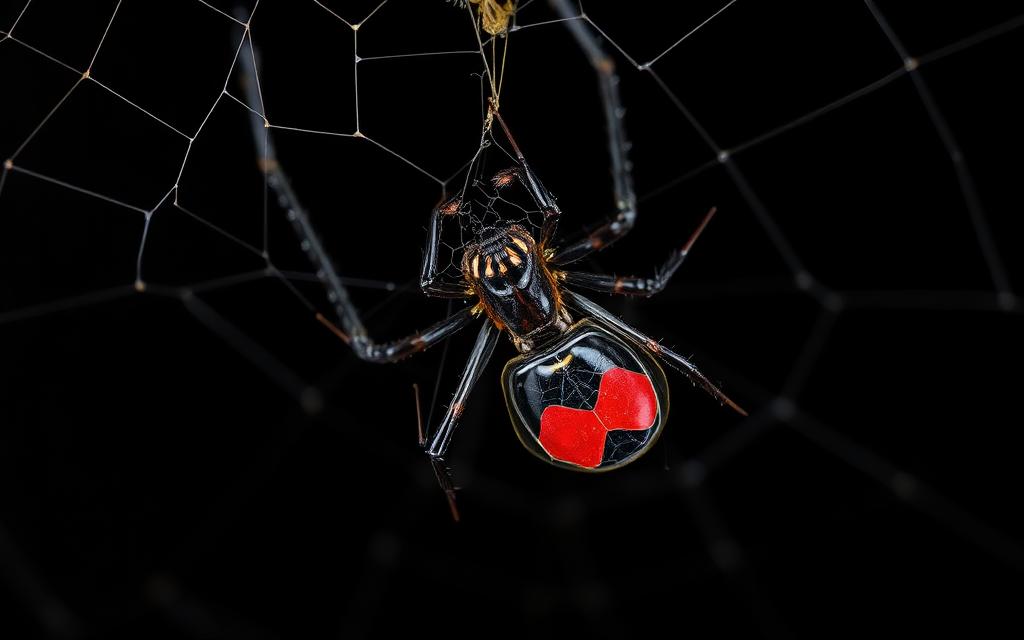
Female black widow spider in a web showing the red hourglass marking

Quick answer

Which spiders in Colorado are actually dangerous?

Only the western black widow is reliably medically significant in Colorado — its bite causes severe muscle cramping and abdominal pain and warrants prompt medical care, especially for kids and pets. Hobo spider bites can cause local pain and slow-healing wounds in some people. Brown recluses are not established in Colorado. Wolf, jumping, and cellar spiders are essentially harmless even though they look intimidating.

How to identify spiders

The five species we see most often in Colorado Springs homes are the western black widow, hobo spider, wolf spider, jumping spider, and cellar spider ("daddy long-legs"). Black widows are the only species here whose bite requires medical attention — see the species guide below for color, size, web style, and where each one is typically found.

Common Colorado species we treat

Each species needs a slightly different approach. Here's a quick visual guide.

Western Black Widow

Western Black Widow

Medically significant

Females are jet-black, glossy, about 1/2" body length with a bright red hourglass on the underside of the abdomen. Males are smaller, brown with red/yellow markings, and rarely seen. Webs are messy, strong, and tangled — not flat sheets.

Garages, sheds, crawl spaces, window wells, foundation cracks, rock landscaping, woodpiles, and undisturbed corners of basements. Most active April through October.
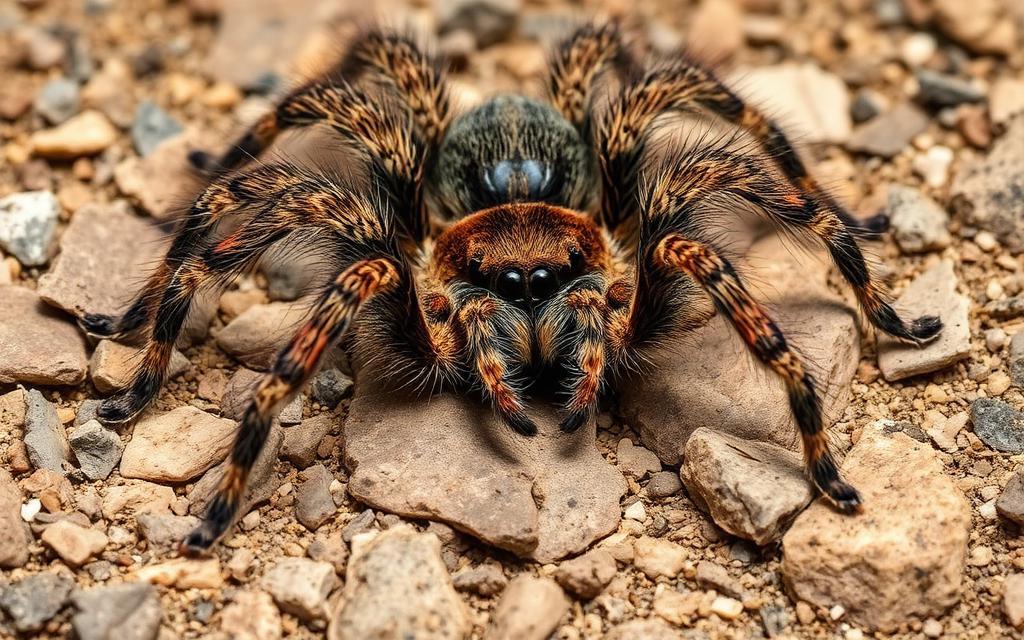
Hobo Spider

Hobo Spider

Moderate

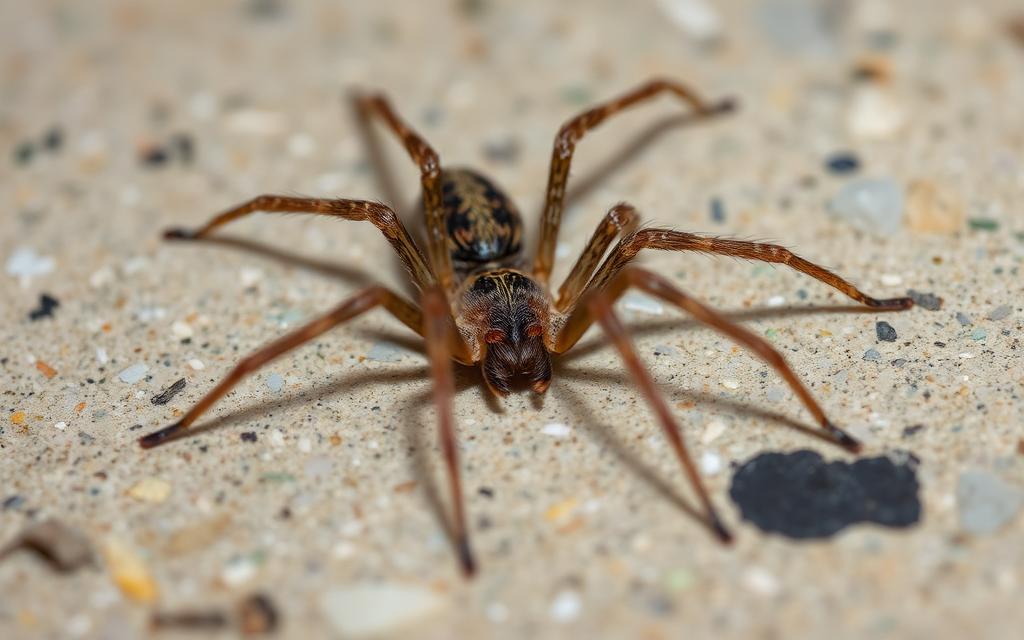
Brown, 1/3 to 5/8" body, with a faint herringbone or chevron pattern on the abdomen and long legs without colored bands. Builds funnel-shaped webs in low, dark spaces.

Basements, ground-level window wells, behind boxes in garages, and along foundation walls. Most often seen sprinting across floors at night, especially August–October when males are mate-searching.

Wolf Spider

Wolf Spider

Low

Large (up to 1.5" body), hairy, brown to gray with darker stripes or markings. Eyes reflect light at night. They don't build catching webs — they hunt on the ground.

Basements, garages, mudrooms, and ground-floor rooms after fall cold snaps push them indoors. Often mistaken for a tarantula because of size.

Jumping Spider

Jumping Spider

Low

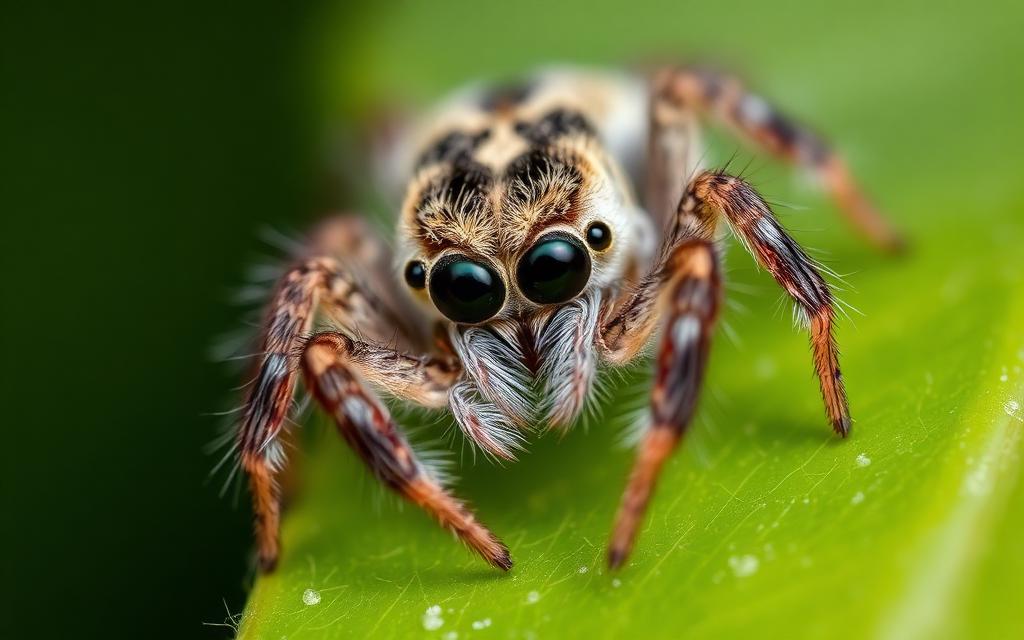
Small (1/8 to 3/4"), compact, fuzzy, often with iridescent markings and very large front-facing eyes. They jump short distances and turn to face you when approached.

Sunny windowsills, around exterior siding, and on plants. Curious and visually oriented — usually a good sign (they eat other pest insects).

Cellar Spider (Daddy Long-Legs)

Cellar Spider (Daddy Long-Legs)

Low

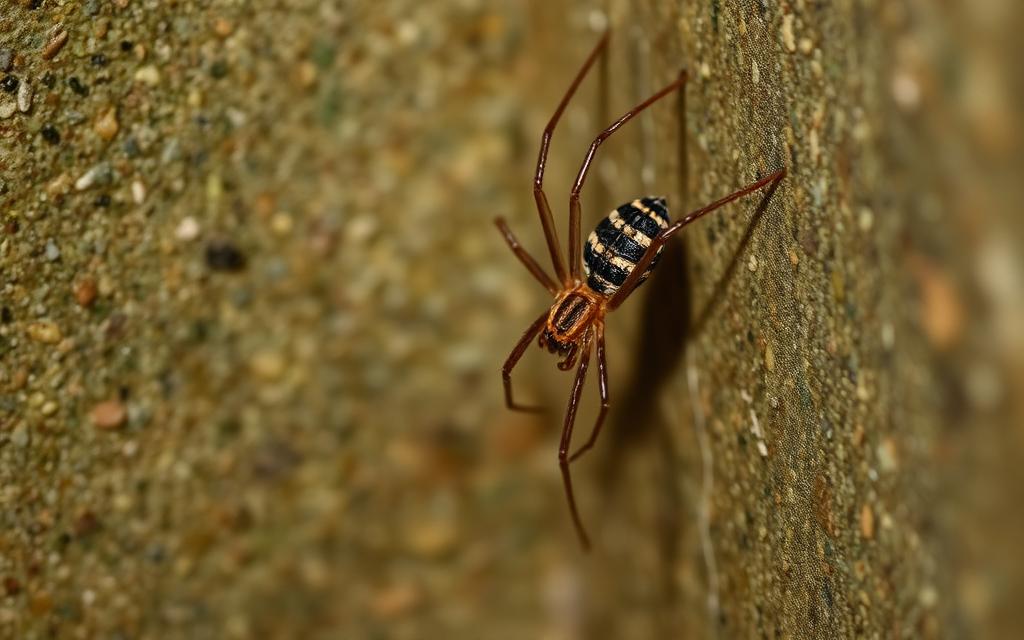
Small pale body (1/4–3/8") with extremely long, thin legs. Hangs upside down in loose, messy webs in upper corners.

Basement and garage ceilings, crawl spaces, behind appliances, and quiet corners of storage rooms. Harmless and actually preys on other spiders, including young black widows.

Behavior & life cycle

Spiders are predators — they go where the food is. A persistent spider problem almost always means there's an insect problem too (flies, moths, crickets, or earwigs in garages, basements, and window wells). Most Colorado spiders are reclusive and only bite when pressed against skin inside shoes, gloves, or bedding. Black widows specifically prefer dark, undisturbed spaces: garages, sheds, woodpiles, foundation cracks, rock landscaping, window wells, and crawl spaces.

Health & property risks

Western black widow bites are medically significant and require prompt medical attention — symptoms include severe muscle cramping, sweating, abdominal pain, and high blood pressure, especially dangerous for children, elderly people, and pets. Hobo spider bites cause local pain and slow-healing wounds in some people (research is mixed). Brown recluses are NOT established in Colorado — most reported "recluse bites" here are misidentified hobo or wolf spider bites, or a different skin condition entirely. Wolf spiders, jumping spiders, and cellar spiders are essentially harmless.

Signs you may have a spiders problem

  • Tangled, sticky webs in low corners, garages, and under decks (possible black widow)
  • Funnel-shaped webs in basement corners or window wells (possible hobo)
  • Egg sacs — small papery balls in webs, often tan, white, or speckled
  • Spiders sprinting across floors at night (often male hobo or wolf spiders)
  • Increased activity in late summer and fall as spiders mature and search for mates
  • Webs returning within days of being knocked down

Our treatment approach

  • 1Identification — we confirm species before treating, because the plan changes
  • 2Web removal and exterior dusting of voids, eaves, and soffits
  • 3Liquid perimeter treatment around the foundation
  • 4Granular treatment in rock landscaping, woodpiles, and window wells (prime black widow habitat)
  • 5Interior crack-and-crevice treatment in basements and garages on request
  • 6Quarterly maintenance plan available — the most reliable long-term defense

Prevention tips

  • Reduce clutter in garages, basements, and storage rooms — fewer hiding spots = fewer spiders
  • Seal the bottom of the garage door and any gaps in window screens or window wells
  • Swap exterior white bulbs for yellow LED — they attract far fewer insects (which feed spiders)
  • Have the perimeter professionally treated 2–4 times per year
  • Shake out shoes, gloves, and stored boxes before reaching inside — most bites happen this way
  • Keep firewood at least 20 feet from the house and elevated off the ground

When to call Chaney

If any of these describe your situation, it's time to bring in a pro.

  • You spot a black widow or hobo spider near living areas, garages, or kids' play zones
  • Webs return within days of being knocked down
  • You have small kids or pets and a garage / basement with persistent webs
  • You're seeing multiple spider species inside — usually a sign of an underlying insect problem
  • You were bitten and developed muscle cramping, severe pain, or a slow-healing wound — seek medical care first, then call us

Frequently asked questions

Do brown recluse spiders live in Colorado?+

No — the brown recluse is not established in Colorado. Most reported "recluse bites" here turn out to be hobo or wolf spider bites, an infection (like MRSA), or another skin condition. If you suspect a recluse, photograph the spider and bring it to us or a doctor for ID.

How can I tell a hobo spider from a wolf spider?+

Hobo spiders are brown with a faint herringbone pattern, long unbanded legs, and build funnel webs near the ground. Wolf spiders are larger, hairier, often gray with stripes, don't build catching webs, and hunt on the ground. Both run fast — but wolf spiders carry their egg sacs attached to the spinnerets, which is unique.

How do I keep spiders out of my garage?+

Reduce clutter, seal the bottom of the garage door, swap exterior bulbs for yellow LED, and have the perimeter treated 2–4 times per year. Most spider problems trace back to insect prey living in the same space.

What should I do if I get bitten by a black widow?+

Wash the area with soap and water, apply a cold compress, and seek medical attention promptly — especially for children, elderly people, or pets. If possible, safely capture the spider for identification.

Are jumping spiders dangerous?+

Not at all. Jumping spiders are curious, visually oriented hunters that eat other pest insects. Their bite is mild and very rare. We typically don't recommend treating for them specifically.

Ready for a quote?

Tell us about the problem — we'll get back within one business day.

If this is a pest emergency, please call us directly at 719-650-0246 for the fastest response.

Call Now Get Quote