
Mice Are Moving In: October Entry Points to Seal
October cold snaps send mice searching for shelter across the Pikes Peak region. Learn where quarter-inch openings hide and how to seal them before rodents settle in for winter.
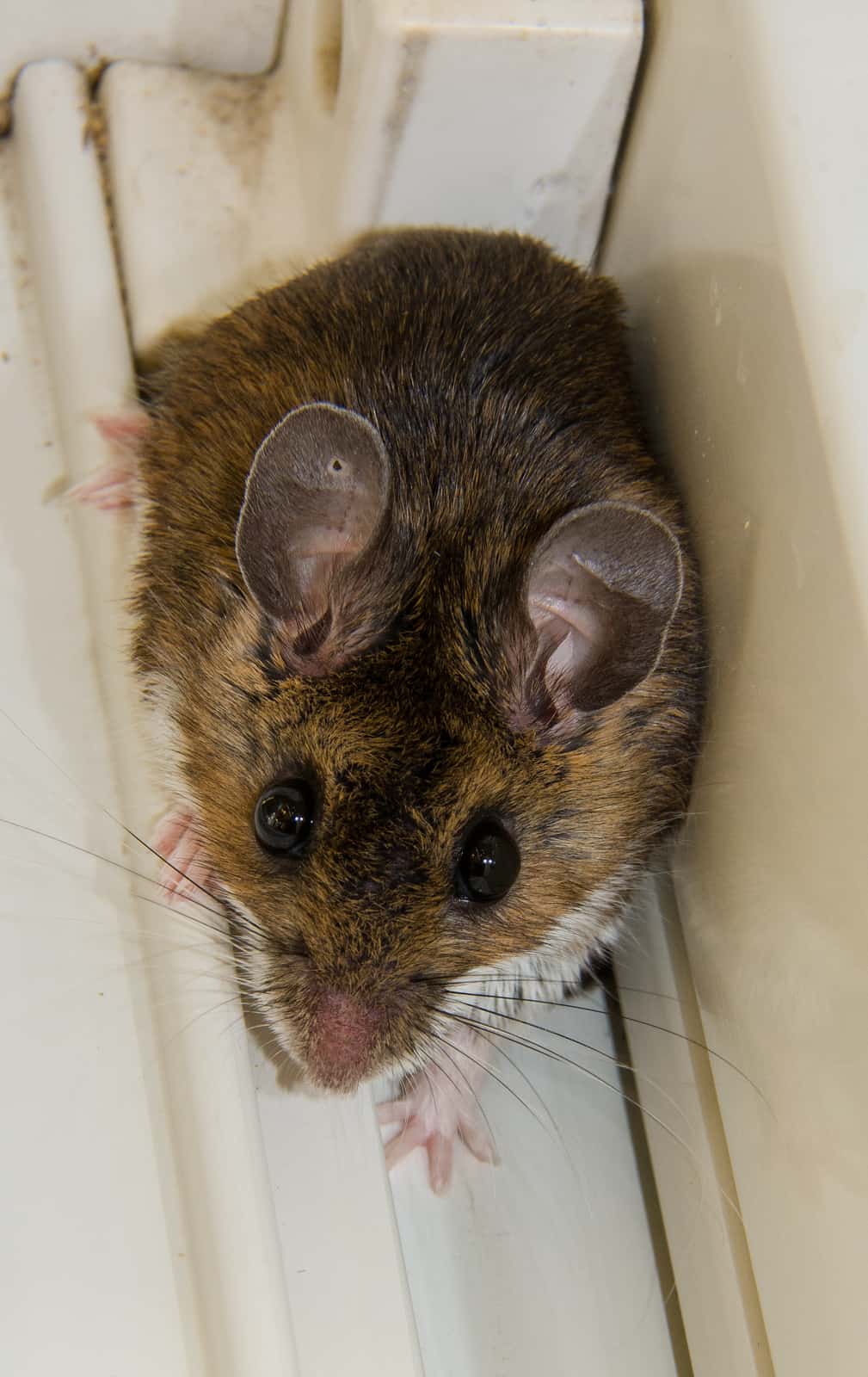
Mice can enter your home through an opening only about one-quarter inch wide, so sealing the obvious holes is rarely enough. In October, inspect the small gaps around utilities, doors, foundations, siding and rooflines before colder Pikes Peak weather pushes mice indoors.
Why Mice Move Indoors in October
October is a transition month along Colorado’s Front Range and in the mountain communities west of Colorado Springs. Homes in the Chaney Pest Elimination service area range from around 6,000 feet in Colorado Springs to more than 9,000 feet in places such as Divide, Jefferson and Como. At higher elevations, freezing nights can begin in September, while lower areas may experience their first hard freezes later in the fall.
As temperatures drop, house mice and deer mice begin looking for dependable food, water and shelter. Garages, crawl spaces, wall voids and attics offer protection from wind and snow. A mouse does not need an open door; if its skull fits through a gap, the rest of its body usually can follow.
That makes October an important time to inspect homes in Florissant, Woodland Park, Monument, Lake George, Cripple Creek, Green Mountain Falls and Cascade. Sealing openings now can prevent a few exploring mice from becoming an indoor winter population.
How Small Is a Quarter-Inch Gap?
A quarter-inch opening is roughly the diameter of a pencil. From standing height, a gap that small may look like a harmless seam, shadow or construction joint. It becomes easier to find when you kneel, use a flashlight and inspect the building from a mouse’s perspective.
Look for rub marks, gnawing, droppings or nesting material near suspected openings. Fresh mouse droppings are usually dark and pointed, while older droppings fade and become dry. Because deer mice in Colorado can carry hantaviruses, do not sweep or vacuum droppings. Ventilate the area, wet contaminated material with an appropriate disinfectant and follow current public-health cleanup guidance.
Quarter-Inch Entry Points Homeowners Often Miss
Utility and Pipe Penetrations
Inspect where electrical conduit, plumbing, refrigerant lines, cable and gas lines pass through exterior walls. Installers often leave extra room around these penetrations, and sealants can shrink or crack after years of mountain temperature swings.
Pay special attention to lines entering behind shrubs, under decks or near outdoor equipment. These protected locations are easy for mice to approach without crossing an exposed area.
Garage Door Corners
A garage door may appear tightly closed while still leaving a triangular opening where the bottom seal meets the side weatherstripping. Mice can also enter through worn bottom seals, damaged door sweeps or gaps around the framing.
Once inside a garage, they may follow pipes and wiring into the house. Check the door between the garage and living space, including its threshold, sweep and frame.
Foundation and Siding Seams
Examine cracks where the foundation meets siding, stucco, stone veneer or trim. Stone-faced homes can have hidden pathways behind decorative materials, especially where mortar has deteriorated. Crawl-space access doors and foundation vents also deserve close inspection.
Wood piles, stored materials and dense vegetation can conceal these low entry points. Keep storage elevated and avoid stacking firewood directly against the house.
Rooflines, Soffits and Fascia
Mice are capable climbers. They can reach roof edges from trees, utility lines, rough siding, stonework and downspouts. Look for gaps where soffits meet fascia, at roof returns and around vents or chimneys.
Mountain weather can loosen trim and open seams under eaves. Binoculars can help with an initial check, but avoid climbing an icy or steep roof. Never seal a vent in a way that restricts required airflow.
Under Exterior Doors
Check front, back, basement and mudroom doors with the lights off during daylight. Visible light beneath or beside a closed door often indicates a gap that needs attention. A properly fitted door sweep and intact weatherstripping should close the opening without preventing the door from operating safely.
Decks, Additions and Attached Structures
Joints between an original house and a later addition can separate over time. Inspect where decks, enclosed porches, sheds, breezeways and stairs connect to the building. Mice may travel beneath these structures and enter through gaps that are almost invisible from above.
What to Use for Mouse-Proof Sealing
Expanding foam alone is not reliable mouse exclusion. Mice can gnaw through many soft materials. Depending on the opening, more durable options include metal flashing, mortar, pest-resistant sealant, stainless steel or copper mesh, and one-quarter-inch metal hardware cloth.
Pack suitable metal mesh into irregular utility gaps, then secure it with an exterior-rated sealant.
Use metal flashing or durable repair materials for larger construction gaps.
Install tight-fitting covers on vents while preserving ventilation and complying with applicable codes.
Replace damaged door sweeps and garage seals rather than filling moving joints with foam.
Repair rot, loose siding and deteriorated mortar that could create new openings.
Do not cover dryer exhausts with ordinary mesh that can collect lint and create a fire hazard. Use a code-appropriate, pest-resistant cover designed for the application, and keep it clean and functional.
Seal Openings Without Ignoring Indoor Activity
If mice are already inside, exclusion should be paired with an indoor control plan. Simply closing exterior holes may leave rodents in wall voids, an attic or a crawl space. Watch for nighttime scratching, food-package damage, droppings and shredded insulation.
Store pantry goods and pet food in sturdy containers, clean crumbs and spills, and address leaking plumbing. These steps will not remove an established mouse problem, but they make the home less supportive while entry points and indoor activity are addressed.
Schedule a Professional Mouse Inspection
Finding every quarter-inch opening can be difficult, especially on mountain homes with crawl spaces, decks, stone veneer or complex rooflines. Chaney Pest Elimination serves Colorado Springs, Monument, Woodland Park, Divide, Florissant, Lake George, Cripple Creek, Green Mountain Falls, Cascade, Jefferson and Como. Request a quote to have your mouse concerns and likely entry points evaluated before winter settles in.
FAQ
Can a mouse really fit through a quarter-inch hole?+
Yes. A small mouse can squeeze through an opening about one-quarter inch wide, roughly the diameter of a pencil. Irregular gaps may also provide enough room if the mouse can gnaw or push through the surrounding material.
When do mice start entering homes in the Pikes Peak region?+
Activity often increases as nights cool in September and October. Higher-elevation communities may freeze earlier than Colorado Springs, but timing varies by elevation, slope, weather and the individual property.
Is expanding foam enough to keep mice out?+
Foam alone is usually not dependable because mice can gnaw through it. Durable exclusion commonly combines metal mesh, flashing, mortar or another appropriate repair material with exterior-rated sealant.
What should I do if I find mouse droppings?+
Do not sweep or vacuum dry droppings. Ventilate the space, wet the material with an appropriate disinfectant, use suitable protective equipment and follow current public-health guidance, particularly because Colorado deer mice can carry hantaviruses.
Need help with a pest problem?
Free quotes throughout Colorado Springs, Teller County, and the mountain communities.